Written and edited by Chandan Bhattacharjee
Editor, IndiFinance | MBA, Economics (Hons.) | Indian | Writes & Teaches Finance, Marketing, Business, Technology & AI
Independent editorial. No paid placements.
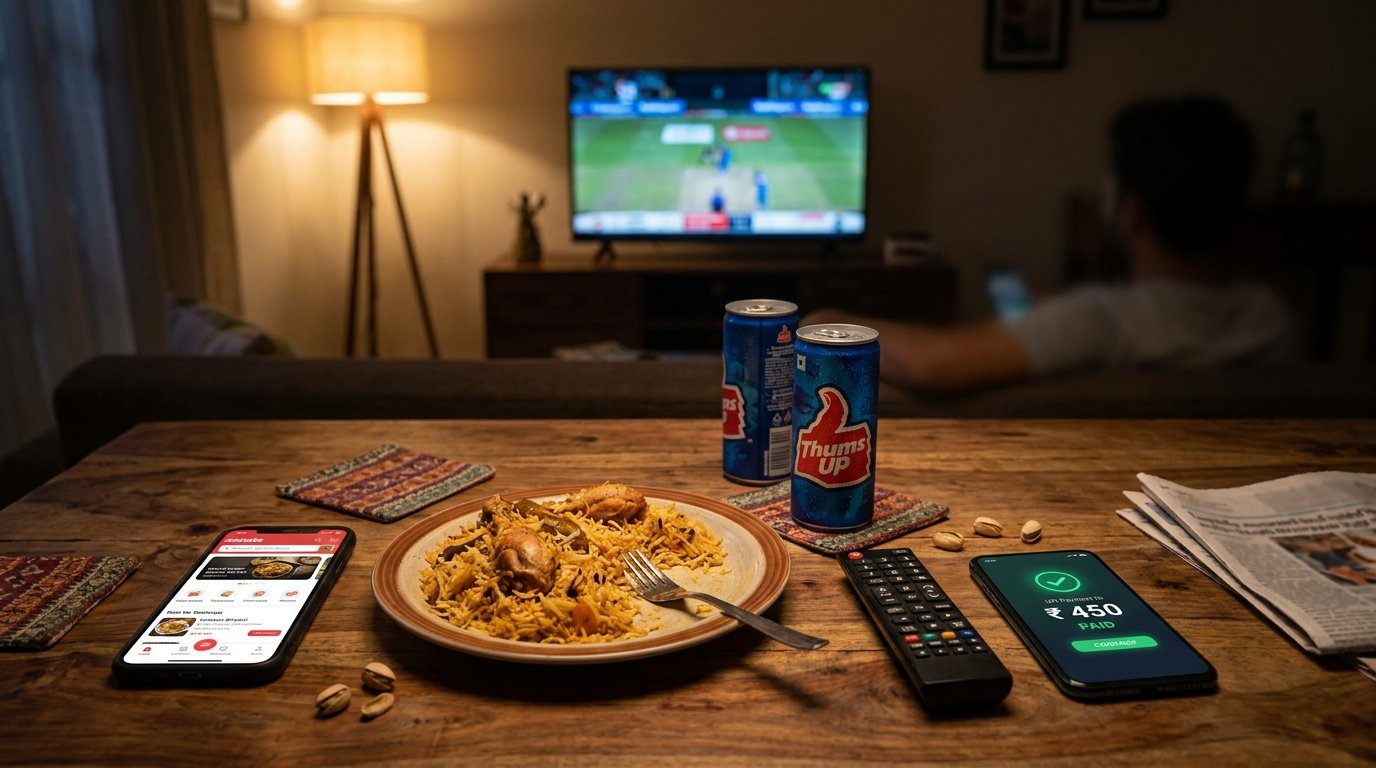
It’s 7:42 PM. The toss just happened. And without anyone planning it, millions of phones across India light up at the exact same second.
Someone orders biryani. Someone buys a smart TV on EMI. Someone recharges a streaming pack. Someone places a “small bet” they’ll regret by 11 PM.
That’s not just cricket. That’s an entire economy switching on.
For two months every year, the IPL doesn’t only entertain India — it quietly rearranges how the whole country spends. And whether you’re a salaried professional, a quiet investor, or someone running a tiny side hustle from your bedroom, understanding how IPL affects businesses can help you make sharper money moves. So grab your chai. Let’s break it down the way an older sibling would.
How IPL Affects Businesses: The Crore-Sized Ripple Nobody Talks About
Here’s the mental model. When 500 million people stare at the same screen at the same time, every business in India wants a tiny slice of that attention. That single fact is the engine behind almost everything else.
The numbers are wild. The IPL’s overall ecosystem was valued at roughly $9.6 billion in 2025, and the opening weekend of IPL 2026 alone pulled in over 515 million viewers and 32.6 billion minutes of watch time. Advertising revenue around the league has ballooned from about ₹350 crore back in 2008 to an estimated ₹6,000–7,000 crore today.
But the money doesn’t stay inside cricket. It spills outward — into food, phones, TVs, OTT apps, cafés and even your neighbourhood kirana store. Economists call this the multiplier effect. We’ll just call it “the ripple.”
Here’s a quick map of who rides that ripple:
| Sector | What happens during IPL | Real example |
|---|---|---|
| Quick commerce & food delivery | 40–100% order spike on match nights | Swiggy Instamart, Zepto, Blinkit |
| Advertising & media | ₹6,000–7,000 cr of ad money flows in | Broadcasters, ad agencies |
| FMCG & beverages | Snacks, colas and ice cream fly off shelves | Chips, soft drinks, frozen snacks |
| Consumer electronics | Smart TV & soundbar sales jump | Big-screen upgrades, often on EMI |
| OTT & telecom | Subscriptions and mobile data surge | JioHotstar, broadband packs |
| Local & hospitality | Cafés, sports bars, host-city hotels fill up | Screening nights, weekend tourism |
Notice something? Almost none of these are cricket companies. That’s the whole point.
The Advertising Goldmine — And Why ₹2,000 Crore Just Vanished
Advertising is the beating heart of the IPL economy. A few seconds of airtime during a high-stakes match can cost a brand more than most of us earn in years. That’s why the title sponsorship alone (held by Tata) is worth around ₹500 crore, and over 70 brands now back a single season.
For a brand, IPL is the closest thing India has to standing on every rooftop in the country and shouting at once. New names use it to go from unknown to household in weeks — recent seasons launched the likes of Campa energy drinks and Rapido bike taxis into living-room conversations.
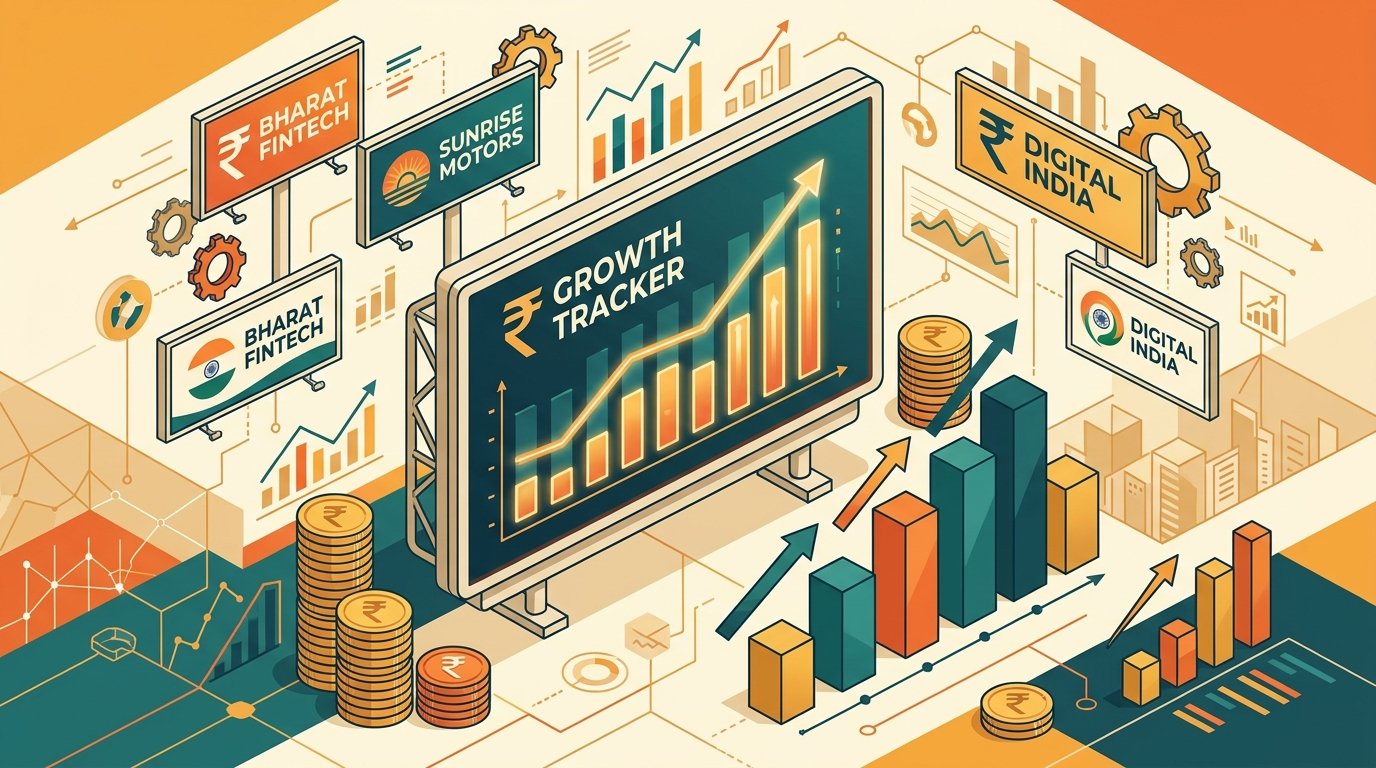
But 2025 brought a plot twist. The new Promotion & Regulation of Online Gaming Act, 2025 effectively pushed real-money fantasy and betting apps out of mainstream cricket advertising. That single regulatory change wiped out an estimated ₹1,500–2,000 crore of annual ad spend, and even ended Dream11’s ₹358 crore team-jersey deal.
FMCG, auto and finance brands have stepped in to fill the gap, and IPL 2026 ad spends are still expected to grow 20–30%. But it’s a reminder of a money lesson that goes far beyond cricket: when one big spender exits, whole ecosystems wobble. Diversification isn’t just for your portfolio — it’s how smart businesses survive too.
Imagine Neha, who runs a small D2C skincare brand from Jaipur. She can’t afford a TV slot. But during IPL she runs cheeky Instagram reels timed to match moments and rides the borrowed attention for a fraction of the cost. That’s the ripple working in her favour — for almost free.
Why Swiggy, Zepto and Your Late-Night Biryani Are IPL’s Best Friends
Match nights are a goldmine for anyone who delivers food or groceries. Quick commerce players have reported a 40–100% surge in orders during match hours compared to normal evenings. Cold drinks alone can sell in the tens of thousands of units per city, per day.
Think about your own behaviour. Nobody wants to miss a super over to make Maggi. So you tap an app, a rider shows up in 12 minutes, and a chunk of your salary quietly flows into the quick-commerce machine.
Meet Ravi, a 28-year-old software engineer in Bengaluru earning ₹80,000 a month. During a normal week he cooks at home. During IPL season? Four match-night orders a week at ₹450 each. That’s roughly ₹7,200 a month — over ₹14,000 across the two-month tournament. Multiply Ravi by a few million, and you understand why these companies love April and May.
None of this is bad, by the way. Convenience is real. The point is simply to see the money moving — because what you can see, you can manage.
The Living-Room Economy: OTT, Smart TVs and Your Data Pack
IPL has also become the single biggest reason Indians upgrade their living rooms. Bigger TVs, soundbars, faster broadband, fresh OTT subscriptions — the season practically writes the marketing pitch for them.
With streaming and broadcast now consolidated under platforms like JioHotstar, watching has never been cheaper or easier, which pulls in hundreds of millions of digital viewers. Telecom operators see data usage spike. Electronics stores time their biggest “sale” banners to the opening weekend.
The catch? A lot of those TV upgrades happen on EMI. A ₹60,000 television on a no-cost EMI still locks up your cash flow for months. There’s nothing wrong with treating yourself — just do it with open eyes, not in the heat of a last-ball finish.
Small Businesses, Big Match: Kirana Shops, Cafés and Gig Workers
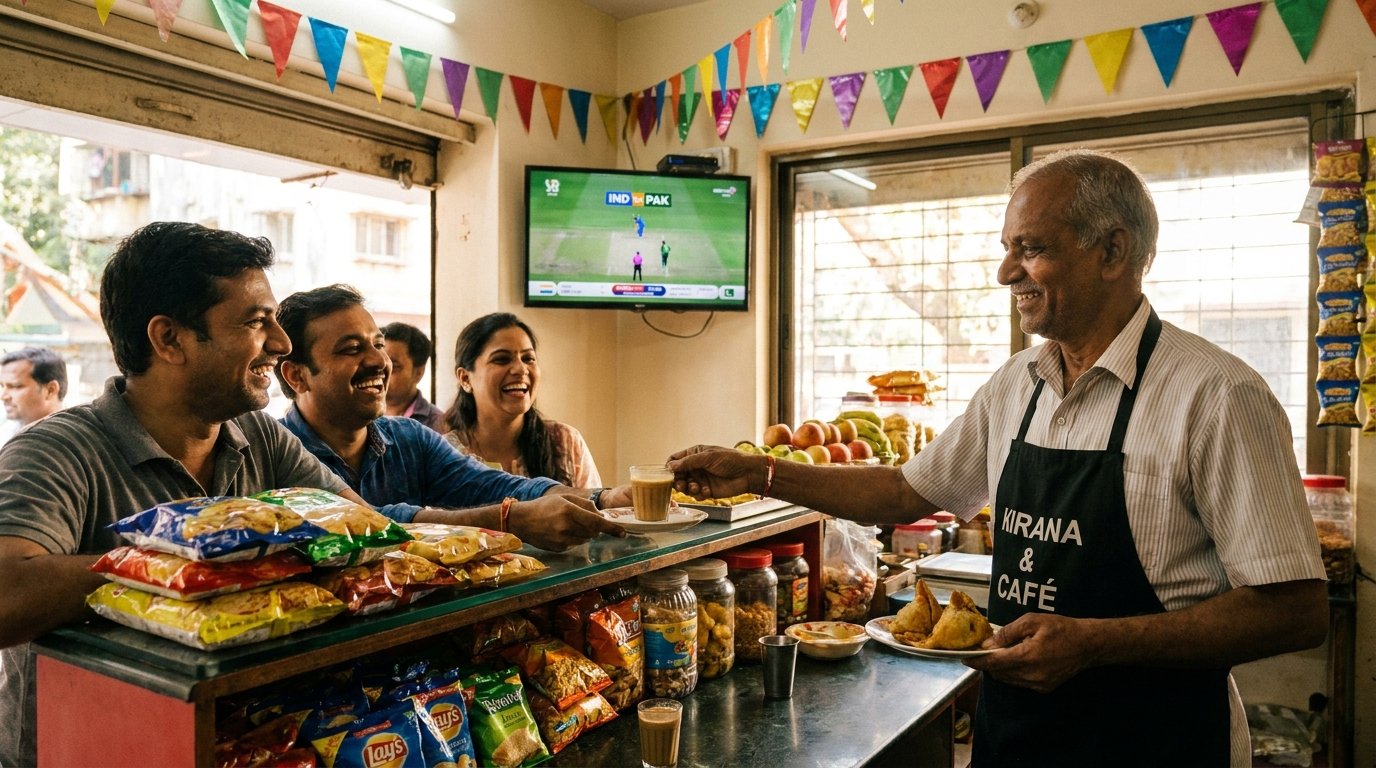
The IPL ripple reaches all the way down to your street. Kirana stores stock extra chips and cold drinks. Cafés and sports bars host screening nights and charge a premium for a seat. Print shops churn out jerseys, stickers and team merchandise.
- Meta Ads vs Google Ads in India 2026: Where ₹1 Lakh Actually Gets You More Customers Meta creates demand, Google captures it. Here is what ₹1 lakh actually buys on each platform…
- Performance Max for Indian D2C: The 6 Audience Signals That Actually Move Money Most Indian D2C brands switch on PMax, upload a feed and hope. Here are the six…
- Why Most Indian Businesses Fail: 8 Marketing Mistakes Costing Them Everything India is running the world's largest live experiment in bad marketing, and American founders are repeating…
- Decoding Union Budget 2026: Blueprint for Viksit Bharat or Bridge of Continuity? Written and edited by Chandan Bhattacharjee Editor, IndiFinance | MBA, ... Read more
And the gig economy gets a genuine boost. Estimates suggest the league supports around 20,000 seasonal jobs directly each year, and broader studies have pointed to millions of indirect jobs across media, logistics, hospitality and operations. Delivery riders clock more hours. Host cities see hotels and restaurants fill up on match weekends.
Picture Anjali, who runs a 20-seat café in Pune. She sets up a projector, announces “Match Night – free popcorn with every coffee,” and posts it on her WhatsApp Status. Her quietest weekday evenings suddenly become her busiest. She didn’t spend a rupee on advertising — she just attached her small business to a big wave. That’s a lesson worth more than the popcorn.
The Investor’s Angle: Can You Actually Profit From IPL Season?
This is where it gets interesting for the IndiFinance crowd. If so much money moves during IPL, can you ride it through the IPL and stock market connection?
Sort of — but carefully. Listed names like Eternal (the company behind Zomato and Blinkit) and Swiggy obviously benefit from the order surge. FMCG and beverage companies see seasonal demand. Broadcasters and ad-linked businesses feel the ad money. You can read more in our breakdown of Swiggy and Zomato shares.
But here’s the honest part nobody on social media tells you: a two-month seasonal bump is not an investment thesis. A company’s stock price depends on profits, competition, valuation and a dozen other things — not on whether a particular team made the playoffs. Buying a stock just because “IPL season is coming” is how beginners get burned.
The smarter move is the boring one. If you believe in a business for the long term, you invest through a steady SIP regardless of the cricket calendar. Treat IPL as a real-world lesson in how consumer demand works — not as a trading signal. And for any specific stock decision, talk to a SEBI-registered advisor. We’re a friendly blog, not your financial planner.

Things Nobody Tells You About the IPL Economy
Every wave has an undertow. Here are the traps that quietly cost people money every single season.
- Treating fantasy or betting as “income.” Real-money gaming is now heavily restricted in India, the odds are stacked against you, and it is a fast way to lose savings — not build them. It is entertainment at best and a trap at worst. Never, ever plan your money around it.
- Chasing “IPL stocks” on hype. By the time a tip reaches your WhatsApp group, the smart money has usually already moved. Seasonal excitement is priced in long before you click buy.
- The silent spending leak. Four food orders a week, a TV on EMI, a new OTT pack, match-night drinks — none feels big alone. Together they can quietly drain ₹15,000–20,000 over the season.
- Small businesses over-stocking. Cafés and shops sometimes over-order perishables expecting a crowd that doesn’t always show. The IPL boost is real, but it isn’t guaranteed every night.
- Confusing attention with loyalty. Brands that go viral during IPL often vanish from your mind by July. As a consumer, don’t let a clever ad turn into a permanent subscription you forget to cancel.
The pattern across all of these? IPL doesn’t change the rules of money. It just turns up the volume — on both the smart moves and the silly ones.
Your IPL-Season Action Plan
Theory is nice. Here’s what you can actually do this week to stay on the winning side of the IPL economy.
- Track one week of match-night spending. Just note every order, recharge and impulse buy. Awareness alone usually cuts the leak in half.
- Set a clear “fun budget.” Decide a fixed amount for snacks, food delivery and entertainment for the season — say ₹4,000 — and stop when it’s gone. Guilt-free spending beats mindless spending.
- Automate your savings first. Set your SIP to run on the 1st, before the spending temptation hits. Pay yourself before you pay Swiggy.
- If you run anything, ride the attention. Café, shop, freelance gig or D2C brand — tie a simple offer or social post to match nights. Borrowed attention is the cheapest marketing there is. Need ideas? Check our side hustle ideas.
- Resist the EMI upgrade urge. If you genuinely want a new TV, buy it from savings, not a 12-month EMI taken in the excitement of a final.
- Never treat fantasy or betting as a money plan. Full stop. If you wouldn’t bet your emergency fund on it, don’t bet anything you can’t laugh off losing.
- Review your portfolio, not the points table. Use the season as a nudge to rebalance your long-term investments calmly — not to chase a hot tip.
- Build the buffer first. Before any “investment” idea, make sure you have an emergency fund. That’s the real game-winner.
Frequently Asked Questions
Which businesses benefit the most from IPL?
Quick commerce and food delivery (Swiggy, Zepto, Blinkit, Zomato) see the sharpest spikes — often 40–100% more orders on match nights. Advertising, FMCG and beverages, consumer electronics, OTT platforms, telecom and local cafés and shops all benefit too.
Does IPL actually help the Indian economy?
Yes, meaningfully. Beyond the league’s own multi-billion-dollar value, IPL supports tens of thousands of seasonal jobs, boosts advertising, hospitality, logistics and retail, and drives a short but powerful burst in consumer spending across the country each year.
Can I invest in the stock market based on IPL season?
You can, but cautiously. Listed players like Eternal (Zomato) and Swiggy clearly gain from the order surge. However, a two-month seasonal bump is not a reason to buy a stock. Focus on long-term fundamentals and consult a SEBI-registered advisor before any decision.
Why did IPL’s brand value fall in 2025?
The IPL ecosystem value dropped about 20%, from $12 billion to $9.6 billion, mainly due to geopolitical tensions and match disruptions, plus a ban on real-money gaming ads that wiped out an estimated ₹1,500–2,000 crore in spending. Analysts see it as a correction, not a collapse.
Is IPL fantasy or betting a good way to make money?
No. Real-money gaming is now heavily restricted in India, the odds favour the platforms, and it is a quick way to lose savings. Treat it strictly as entertainment within a tiny budget, never as income, and never with money you cannot afford to lose.
How can a small business use IPL to grow?
Attach yourself to the attention without overspending. Host screening nights, time social posts and offers to match moments, run themed combos, and use WhatsApp and Instagram instead of expensive ads. The goal is borrowed reach, not a big marketing budget.
The Final Over: Play Your Own Smart Innings
So now you see it. Once you understand how IPL affects businesses, you can never un-see it. That biryani order, that new TV, that streaming pack, that viral ad — they’re all tiny rivers feeding one enormous, two-month-long money ocean.
The tournament will keep moving crores across India whether you’re paying attention or not. The only question is whether you’re a passenger riding the wave thoughtfully — saving, building, maybe even growing your own little business — or the one quietly footing the bill.
Be the smart one. Enjoy the cricket, set your budget, automate your savings, and let the season teach you how real money flows. Want to put it into action? Start with our guide on how to start a SIP and explore side hustle ideas built for the IPL crowd. Your best innings starts today.